Blog

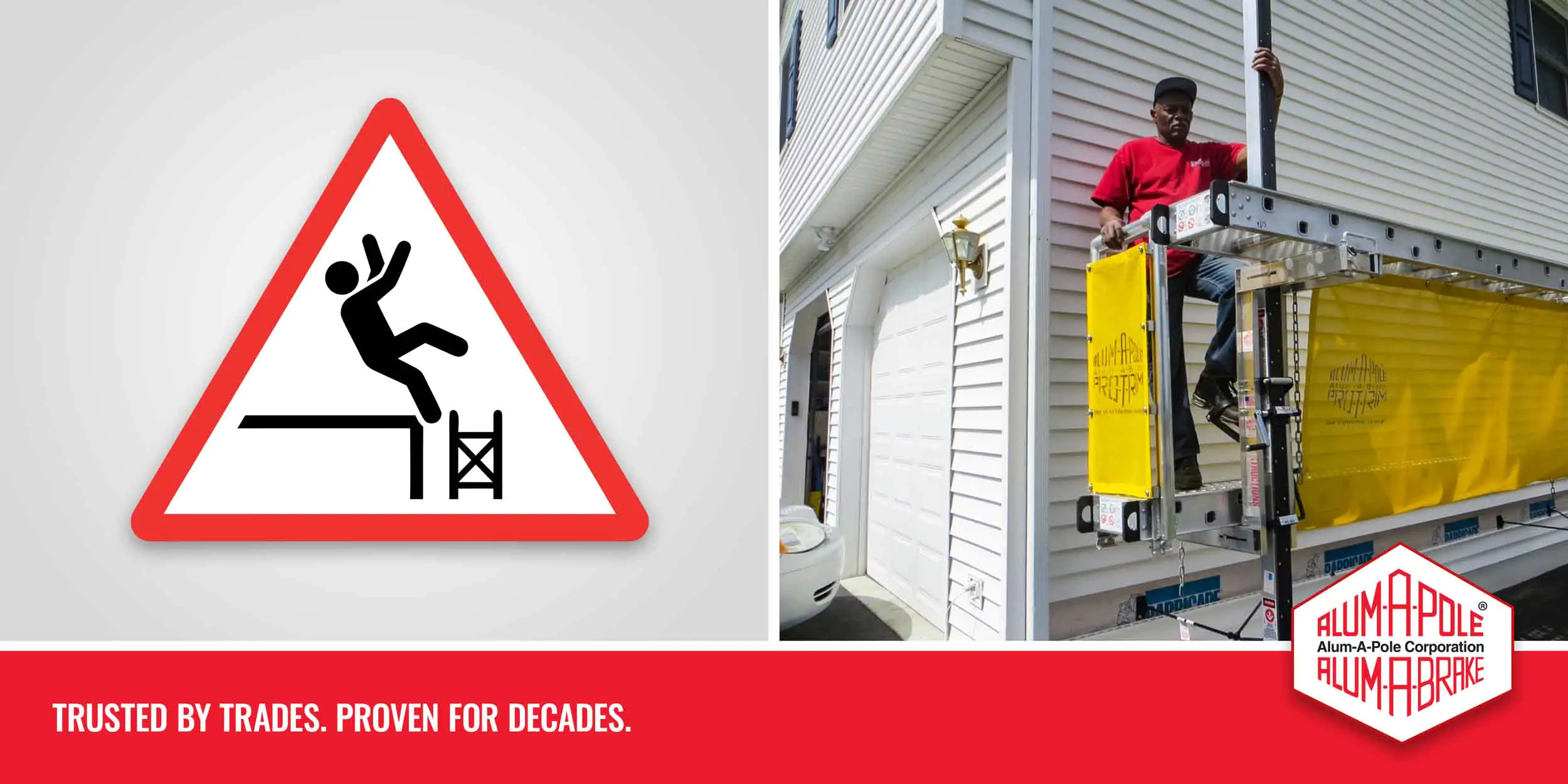
Reducing Fall Risk on Multi-Story Siding Projects

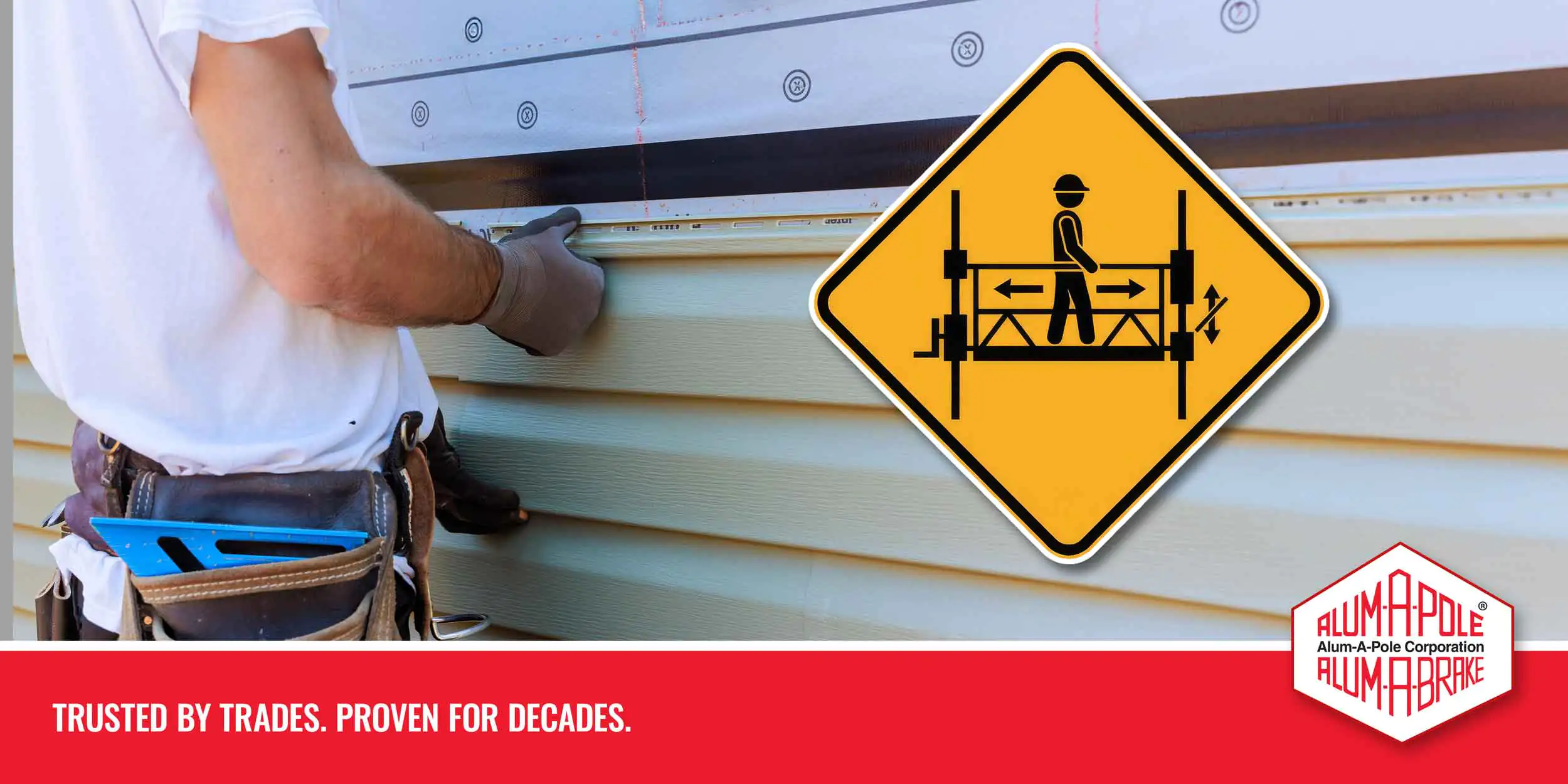
Falls are the leading cause of fatalities in construction. According to OSHA, falls account for roughly one-third of all construction deaths each year and siding work on multi-story structures is one of the highest-risk tasks a crew can take on. Unstable platforms, shifting ladders, and improvised work surfaces put workers in precarious positions dozens of feet off the ground, often for hours at a time. The good news: most fall incidents on siding jobs are preventable. They’re typically the result of inadequate equipment, poor setup practices, or the wrong scaffolding system for the job.  Understanding the risks, and choosing the right platform, can make the difference between a clean, safe project and a tragedy. Why Multi-Story Siding Work Is Uniquely Dangerous Unlike roofing, which keeps workers in a more predictable zone, siding requires workers to move continuously across the entire face of a structure, horizontally and vertically, while carrying materials,
Read More

Understanding OSHA Pump Jack Scaffolding Requirements: What Contractors Need to Know

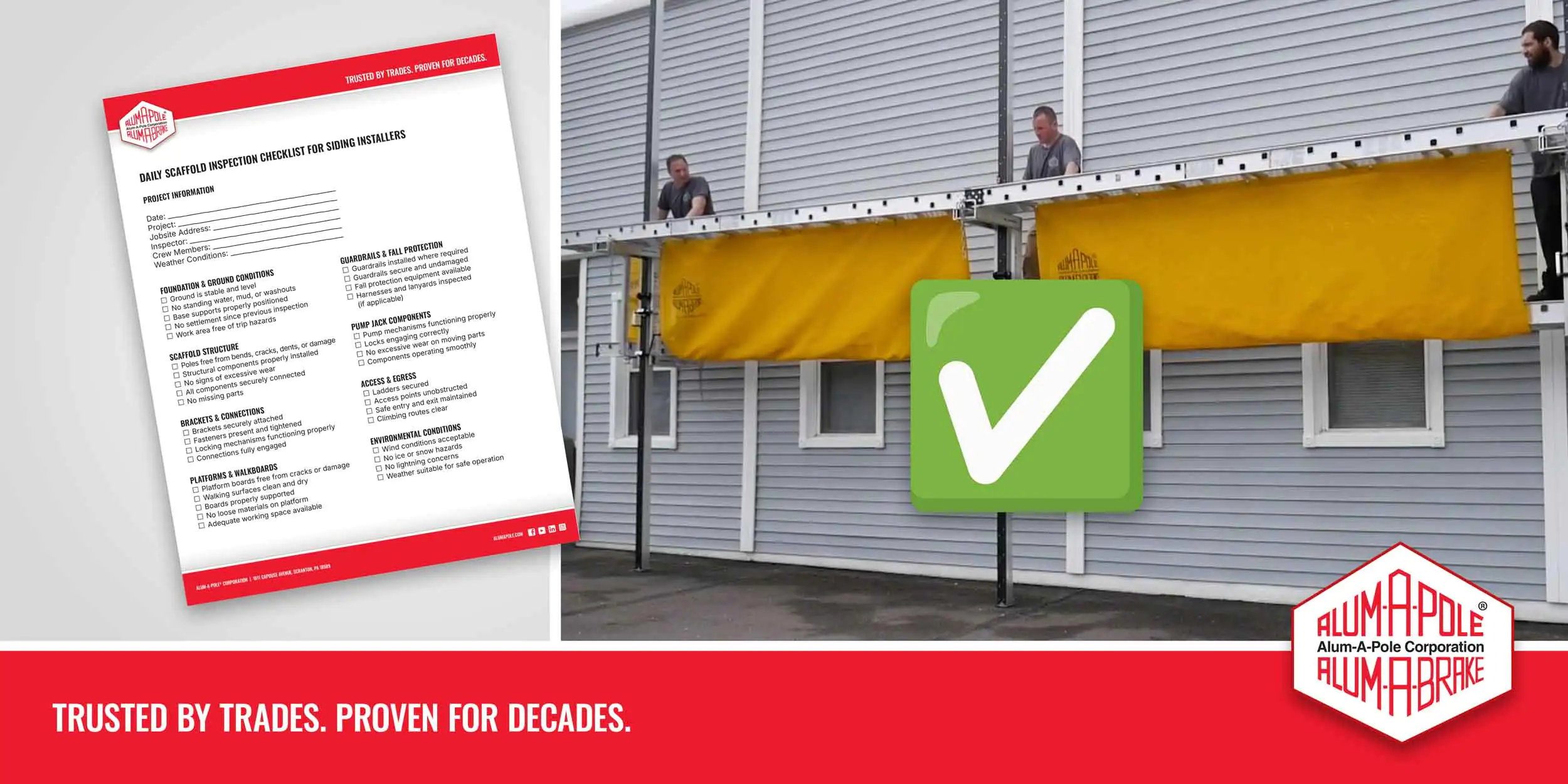
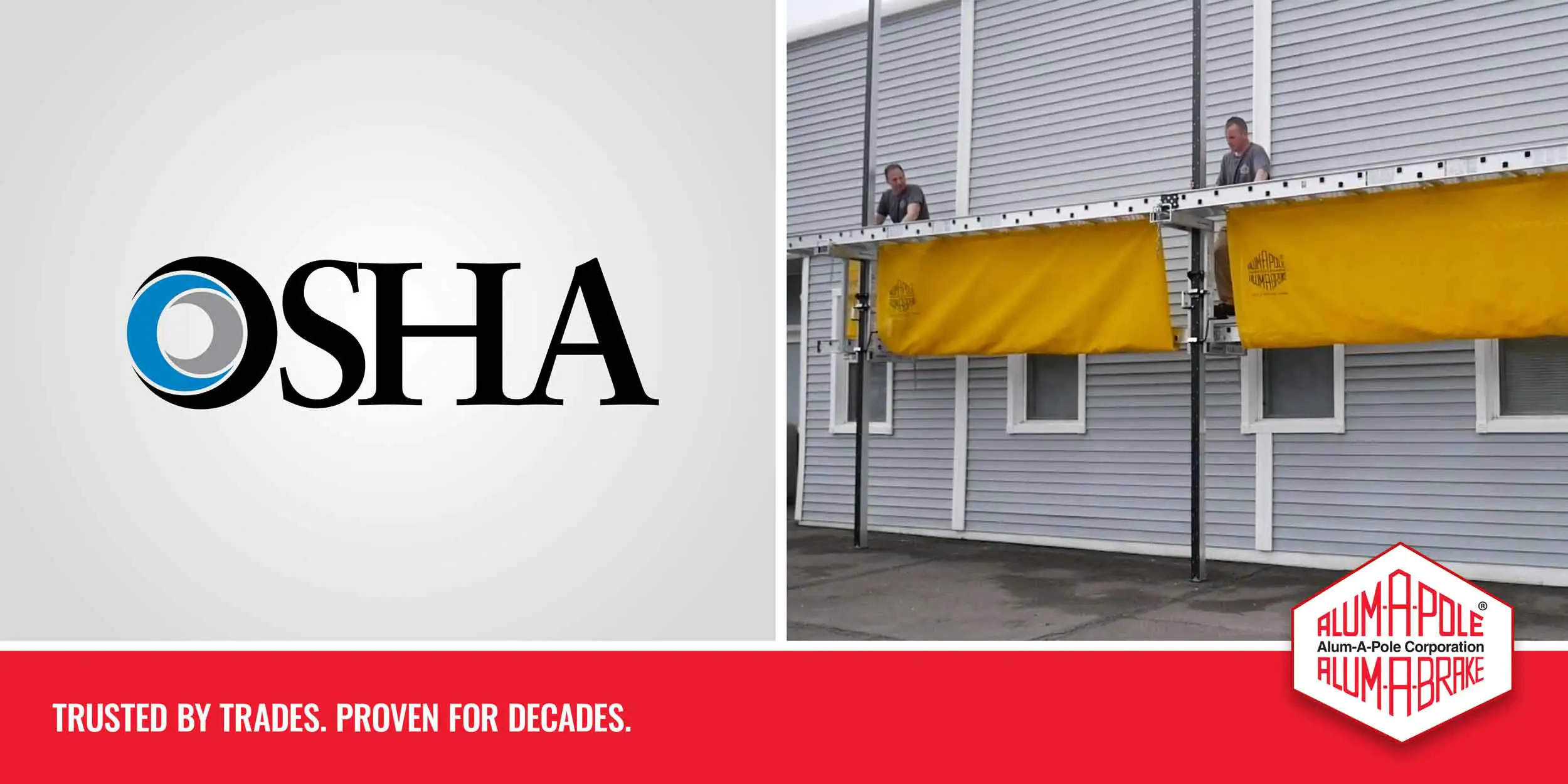
Pump jack scaffolding is a common sight on siding, window, and exterior renovation projects. For many contractors, it’s the ideal combination of mobility, reach, and efficiency when working at height. But like any elevated work platform, pump jack systems must be installed and used correctly to be safe and compliant. The Occupational Safety and Health Administration (OSHA) has specific requirements for how pump jack scaffolds are erected, supported, and operated. When these requirements are overlooked or ignored, the consequences can go far beyond an OSHA citation. Improper setup can lead to instability, falls, equipment failure, and serious jobsite injuries. Understanding OSHA pump jack scaffolding requirements helps contractors protect their crews, keep projects moving, and maintain compliance during inspections. Why Pump Jack Scaffold Safety Matters Pump jack scaffolds are unique compared to traditional scaffolding. Instead of a freestanding tower, they rely on vertical poles attached to the structure, with a mechanical

Read More

Why American-Made, Contractor-Born Equipment Matters on the Jobsite

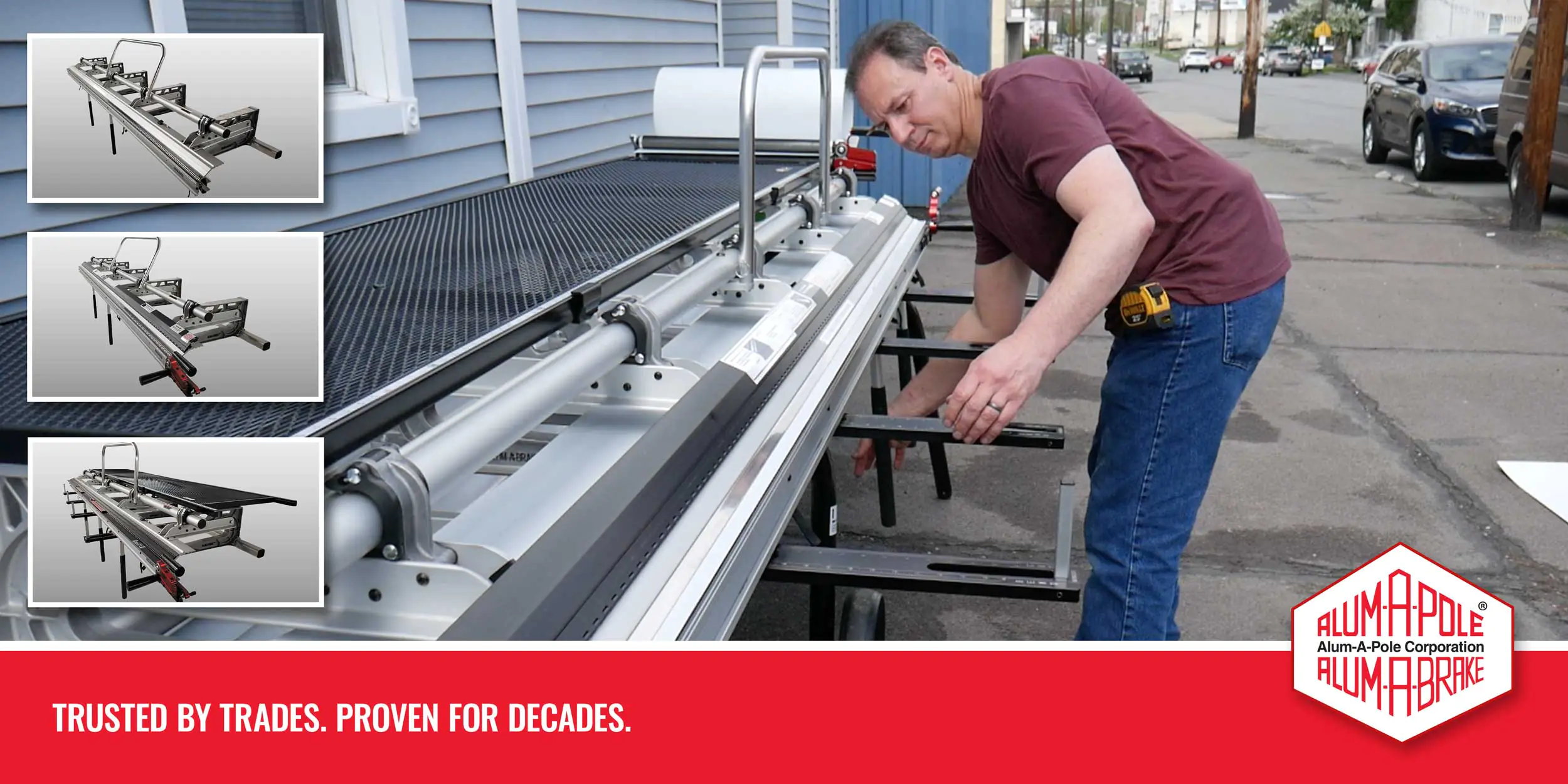
Every successful siding project depends on two fundamentals: safe access and precise fabrication. On the jobsite, that means scaffolding you can trust at height and siding brakes that deliver clean, accurate bends on the ground. At Alum-A-Pole, those tools weren’t designed in a boardroom or overseas factory. They were created by a contractor who understood what works, what fails, and what costs time and money on real jobsites. That contractor-born mindset, combined with American manufacturing, is what makes the difference in our products. Built in the USA, Because Quality and Accountability Matter American-made scaffolds and siding brakes aren’t just about patriotism. They’re about control, consistency, and accountability. When equipment is manufactured in the United States, materials, tolerances, and processes are tightly controlled. Aluminum and steel quality is consistent. Load ratings are accurate. Components fit the way they’re supposed to, every time. Imported equipment may look similar at first glance, but

Read More